

When renting a single room in Singapore landlords typically include some services while leaving others for tenants to pay. Knowing which utilities are commonly bundled helps you compare listings and avoid unexpected bills when you move in.
Read the tenancy agreement closely and confirm what is included in the monthly rent to prevent misunderstandings with housemates or the owner.
- Water is often included in the rent for room lets especially in HDB flats and older shared apartments because bills are modest and easy for landlords to cover.
- Electricity is commonly charged separately with tenants paying their share based on usage or a fixed split since air conditioning can drive consumption up quickly.
- Internet is frequently provided as part of a shared home plan with typical speeds ranging from 100 Mbps to 500 Mbps and the monthly cost split among occupants.
- Gas for cooking where applicable is usually included if the household uses piped gas or a communal cylinder system with the owner arranging refills.
- Cleaning and laundry services are rarely included except in furnished short term lets where the landlord advertises occasional cleaning as part of the package.
- Conservancy and management fees for the building are the landlord responsibility and should not be passed on to a room tenant.
Always request a clear breakdown in writing and ask how shared costs will be calculated and collected. That simple step keeps bills fair and helps maintain good relations with housemates.
How electricity water and internet billing usually works
Billing for utilities in a room rental is often a mix of landlord responsibility and tenant contribution. Understanding the common arrangements helps you budget accurately and prevents disputes with housemates. Below are the typical setups you will encounter and what to check when you sign the tenancy.
Electricity billing
Electricity is the most variable item because air conditioning and hot water use can drive costs up quickly. Landlords either charge each tenant for actual usage or ask for a fixed monthly contribution.
Metered split
When the unit has separate sub meters you pay by actual readings. This is the fairest method for rooms with uneven use because each tenant covers their own consumption.
Fixed contribution
Many landlords prefer a fixed amount to avoid regular readings. Expect contributions from S$60 to S$150 per person per month depending on how often air conditioning is used and the size of the apartment.
Water billing
Water charges are modest and are commonly included in the rent for room lets. If billed separately landlords usually divide the bill by number of occupants and each tenant pays around S$10 to S$30 per month.
Internet billing
Shared broadband is a standard inclusion in many room rentals. Landlords or the primary tenant typically maintain the account and split the monthly fee among occupants.
Typical cost
A shared plan with 100 to 500 Mbps capacity commonly results in a per person share of S$15 to S$40 monthly depending on the package and number of roommates.
Setup and reliability
Confirm who handles installation and repairs. If the connection is poor insist on a clause that clarifies responsibilities and expected speeds.
Always get the billing arrangement in writing and ask for sample invoices during negotiation. Clear rules about billing cycle payment method and how disputes are handled make living together far smoother.
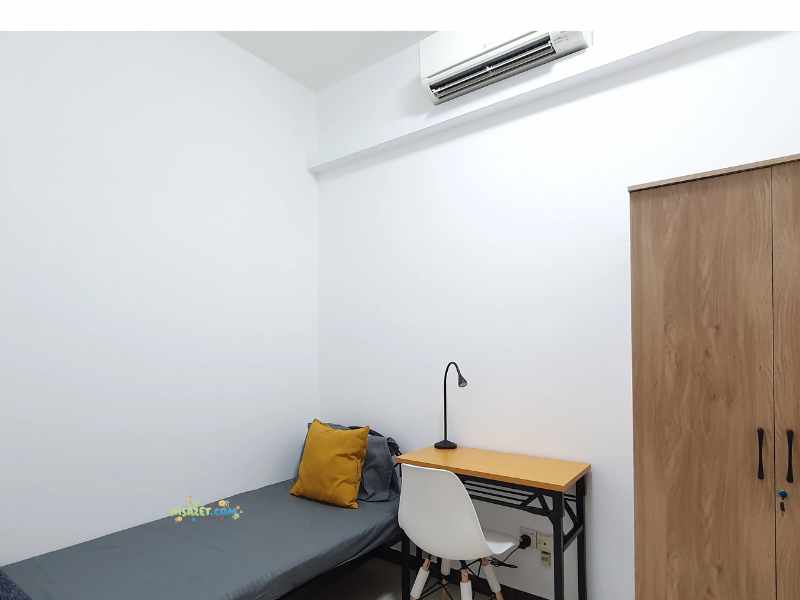
Typical monthly cost ranges for rooms by neighbourhood
Room rents in Singapore vary substantially depending on location property type and room size. A single bed in a shared HDB apartment near the city fringe can be dramatically cheaper than a master bedroom in a central private condominium. When you compare singapore room rent, factor in commute time to work or school access to an MRT station and whether utilities are included in the advertised price.
In central districts such as Orchard Marina Bay and River Valley expect higher prices. A master bedroom in these areas typically rents for around S$1 600 to S$2 800 per month while a standard single room often falls between S$1 200 and S$2 000. City fringe neighbourhoods like Kallang Toa Payoh and Novena usually cost less with master rooms commonly at S$1 200 to S$1 800 and single rooms near S$800 to S$1 400.
Mature estates such as Bishan Ang Mo Kio and Clementi offer a balanced price quality trade off. Typical single room rents are S$700 to S$1 200 and masters range from S$1 000 to S$1 600. In suburban hubs like Tampines Bedok Jurong East and Woodlands rents tend to be lower. Expect single rooms around S$600 to S$1 000 and master rooms near S$900 to S$1 400 depending on furnishing and proximity to MRT.
Always verify whether electricity water and internet are included and ask for recent utility bills if costs are shared. A slightly higher rent that includes reliable internet and water can be more economical than a cheaper room with unpredictable extra charges. Budget for a modest buffer and prioritise neighbourhoods that match your daily routine to get the best value.

Fair ways to split shared bills with roommates
Sharing a room means sharing recurring costs and a clear plan prevents resentment. A fair approach balances actual usage with practicality and gives everyone confidence about what they owe each month.
Agree the approach and record it
Discuss billing before move in and write the agreed method into a simple note or a clause in the tenancy. That record should state who pays which bill how the amount will be calculated and when each person will transfer their share.
Consider frequency of meter readings typical household habits and who will handle collection and payments. Clarity up front makes occasional disputes quick to resolve.
- Equal split Pay identical shares for electricity water and internet. This is easiest for small households where usage patterns are similar.
- Proportional to usage Track individual consumption when possible and divide bills by measured use. This method is fairest when one person uses air conditioning or appliances much more than others.
- Fixed contribution plus usage Each person pays a base fee to cover common costs and high use items are billed separately. This reduces monthly volatility while keeping fairness for heavy users.
- Rotate payer and settle One person pays the full bill and others reimburse promptly with proof of payment. Rotate who pays to spread administrative work evenly.
Choose a method that matches household habits then stick to it for at least three months to assess fairness. Use simple spreadsheets photo records and timely bank transfers to keep payments transparent and the household harmonious.

What to check in the tenancy about utilities and internet
Before you sign a tenancy agreement confirm exactly which utilities are included and how ongoing costs will be handled so there are no surprises after move in. Check whether water is covered by the landlord or billed separately and if electricity will be paid by actual meter readings or a fixed contribution with typical fixed amounts noted in writing. Verify whether the unit has sub meters and request a meter reading on the day you move in and on the day you move out to avoid disputes.
For internet confirm whether the broadband subscription is included, the advertised speed such as 100 Mbps or 500 Mbps and who holds the account, because account holder responsibility determines who arranges repairs and pays installation fees. Insist on a clear billing cycle and payment window for shared bills, for example monthly with payments due within seven days of invoice, and ask that the tenancy specify any late fee formula or grace period. Require the landlord or main tenant to provide itemised invoices or screenshots of bills when costs are split, and record the agreed split method, whether equal division proportional to room size or payable based on meter readings.
Include a clause that specifies who pays for one off items such as router replacement, line repairs and gas refills and how urgent maintenance requests will be handled. Add a simple dispute resolution step such as supplying receipts and settling differences within one week to keep matters practical. Finally confirm that any change in utility plans or internet provider will require at least 30 days notice and written consent from tenants when it affects monthly cost, because that protects you from unexpected service changes and gives everyone time to adjust budgets.






Tinggalkan komentar